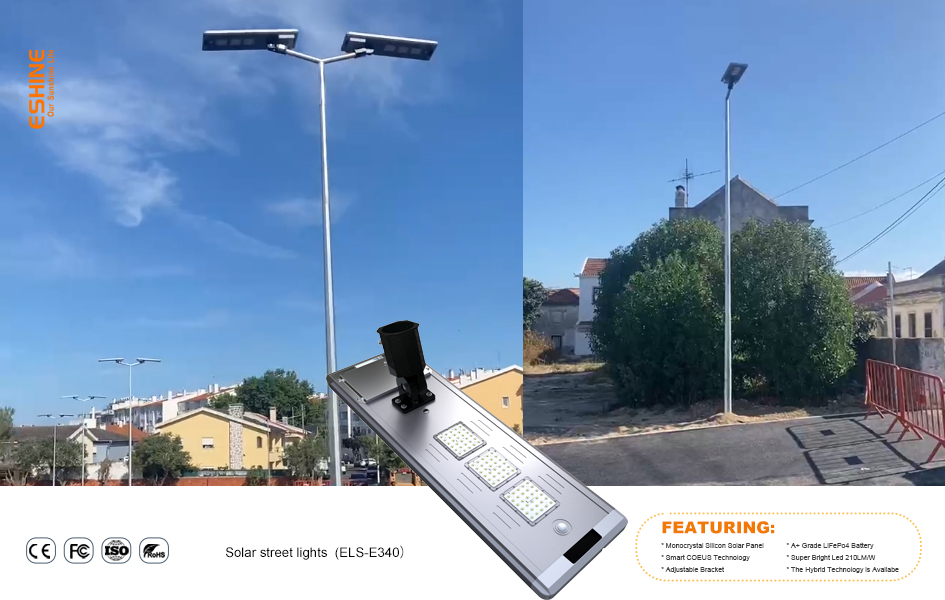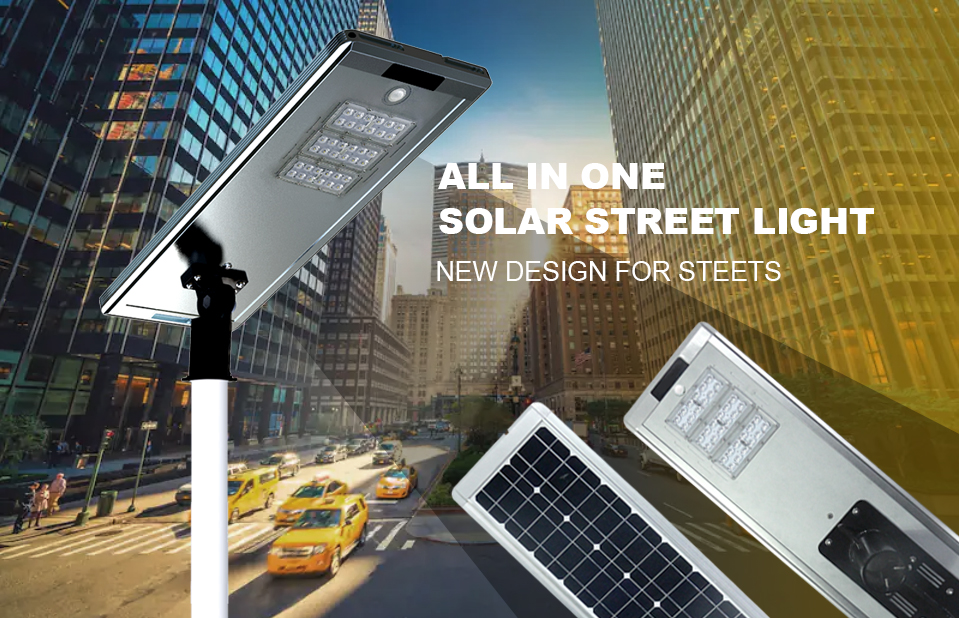
Lighting the Future: Solar Street Lights - The Smart, Green, and Economical Public Lighting Solution
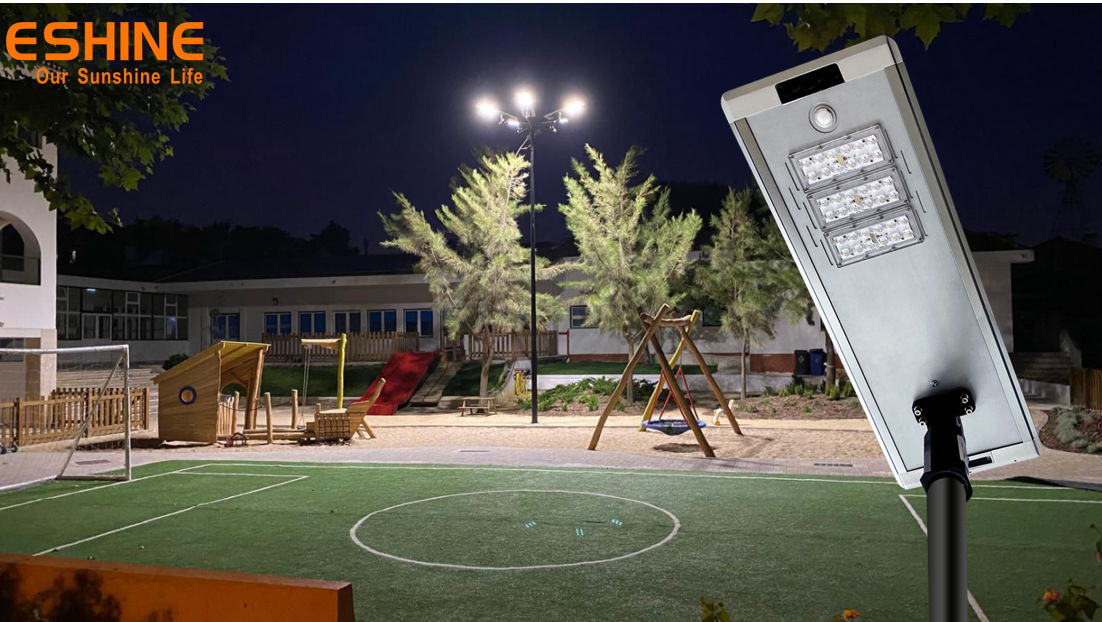
In the global wave of pursuing sustainable development, the public lighting sector in both urban and rural areas is undergoing a quiet revolution. Traditional grid-powered street lights, with their high electricity costs, complex cabling, and maintenance expenses, are gradually being replaced by a smarter, greener solution—the solar street light. It is not only a crystallization of technology and environmental protection but also a hallmark of smart city and new rural construction. This article will delve into the working principles, core advantages, application scenarios, and key purchasing considerations for solar street lights, providing a comprehensive analysis of this future-illuminating lighting method.
How Do Solar Street Lights Work? Unveiling Their Self-Sufficient System
The core reason solar street lights can be "self-reliant" lies in their cleverly integrated, independent all-in-one system. Their working principle can be summarized in four steps:
-
Energy Capture: During the day, the high-efficiency solar panel at the top of the system absorbs sunlight, converting light energy into electricity through the photovoltaic effect.
-
Energy Storage: The generated electricity is transmitted to the built-in or attached energy storage battery (typically lithium-ion, especially LiFePO4 batteries for their long lifespan and high safety) for storage.
-
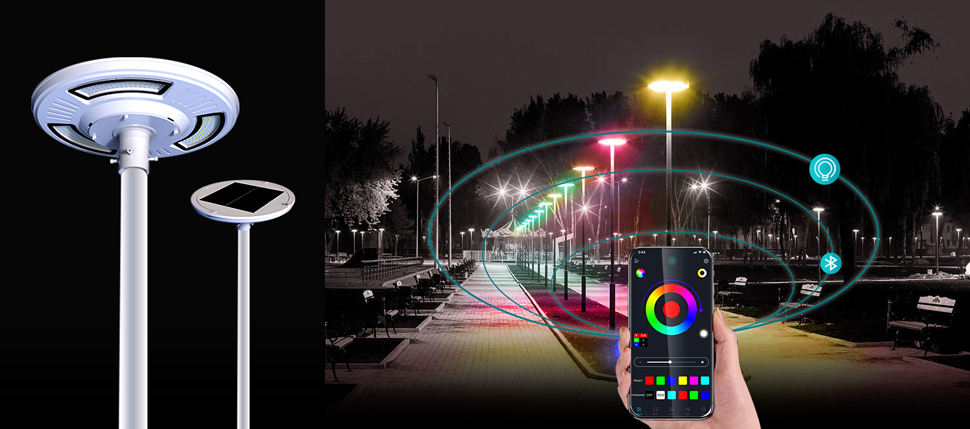
Smart Control: The intelligent controller is the brain of the system. It automatically turns the light on and off based on ambient light intensity (light control) and can implement more energy-efficient modes (like time control + motion sensor) for further savings.
-
Energy Release: At nightfall or when light is insufficient, the controller directs the battery to power the high-efficiency LED light source, providing illumination. LED luminaires ensure high-quality lighting with their high luminous efficacy, long lifespan, and excellent color rendering.
The entire system is typically designed as an integrated unit, making installation simple. It requires no trenching or cable laying, truly achieving "zero electricity cost" operation.
Why Choose Solar Street Lights? Five Unmatched Core Advantages
Compared to traditional street lights, the advantages of solar street lights are comprehensive:
-
Ultimate Energy Savings & Economy: Utilizes the inexhaustible solar energy, completely eliminating grid power consumption and achieving "zero electricity cost" for operation. Although the initial investment might be slightly higher, it saves long-term electricity bills and complex cabling costs, offering significant long-term comprehensive economic benefits.
-
Simple & Flexible Installation: Easy installation is a standout feature. Each light is an independent system, requiring no connection to the power grid. This makes it particularly suitable for remote areas, mountains, islands, and other locations where grid coverage is difficult or cabling costs are prohibitive. Construction cycles are short, with minimal environmental impact.
-
Green & Sustainable: Zero carbon emissions, no pollution. It is a direct embodiment of implementing the "Dual Carbon" strategy and building an ecological civilization. The entire process, from production to operation, is environmentally friendly.
-
Smart Control & Stability: Equipped with an advanced intelligent controller, it enables multi-mode smart lighting (e.g., all-night light, half-night light, motion-sensor boost), greatly enhancing energy efficiency. The system operates stably with strong anti-interference capabilities.
-
Low Maintenance Costs: The modular system design makes faults easy to diagnose and replace. Key components (like LED chips, batteries) have long lifespans. Daily maintenance only involves simple cleaning of the panel, requiring far less effort than traditional street lights.
Illuminating Diverse Scenarios: The Wide Application of Solar Street Lights
Thanks to their unique advantages, solar street lights are now found everywhere:
-
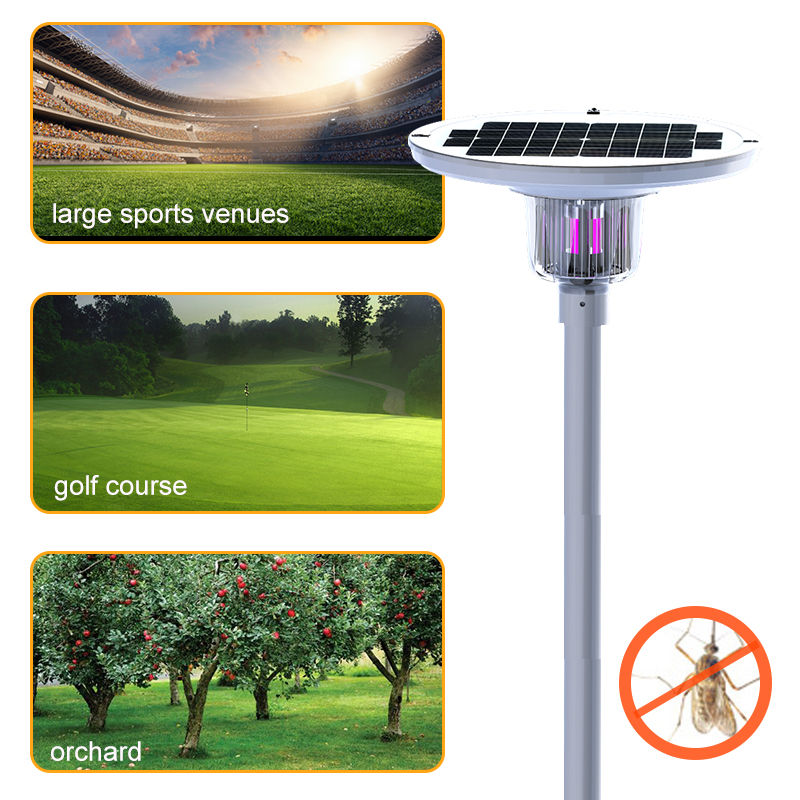
Urban Public Spaces: Park trails, green belts, bicycle lanes, squares, and residential courtyards, enhancing safety and landscape.
-
Transportation & Roads: Secondary roads, branch roads, highway emergency lanes, tunnel entrances, and bridge lighting.
-
Rural & Remote Areas: New rural construction, village road networks, farmland areas, and mountain highways. They are the preferred solution for lighting challenges in these regions.
-
Special Zones & Projects: Tourist attractions, resorts, schools, industrial parks, parking lots, construction sites, border outposts, and any other location requiring independent lighting.
How to Choose High-Quality Solar Street Lights? A Guide to the Four Key Elements
When faced with a wide array of products on the market, selecting a reliable and durable solar street light system requires focusing on the following core components:
-
Solar Panel: Choose branded panels with high conversion efficiency (Monocrystalline > Polycrystalline) and good encapsulation to ensure effective charging even on cloudy/rainy days.
-
Energy Storage Battery: This is the "heart" of the system. LiFePO4 (Lithium Iron Phosphate) batteries have become the mainstream and preferred choice due to their long cycle life (up to 2000-3000+ cycles), stable high-temperature performance, and high safety, even though their initial cost is higher than traditional gel batteries.
-
LED Light Source: Pay attention to luminous efficacy (lm/W), Color Rendering Index (CRI), and heat dissipation design. High-quality LED chips (from brands like Cree, Bridgelux, Philips, etc.) and good heat dissipation ensure slow light decay and a long lifespan.
-
Intelligent Controller: Should have light control, time control, motion sensor control, and overcharge/over-discharge protection. An MPPT (Maximum Power Point Tracking) controller can improve charging efficiency by about 20-30% compared to a traditional PWM controller, especially in areas with less ideal sunlight conditions.
Additionally, the material and anti-corrosion process of the pole (e.g., hot-dip galvanizing) and the overall Ingress Protection (IP) rating are also important quality considerations.
Frequently Asked Questions (FAQ)
Q: How long can solar street lights work on cloudy/rainy days?
A: This depends on the system configuration (battery capacity and solar panel wattage). A reasonably designed system can typically ensure normal illumination for 3-7 consecutive cloudy/rainy days. Higher configurations allow for longer autonomy.
Q: Can they be used in winter or cold regions?
A: Yes. However, note that low temperatures can affect battery performance. Choose LiFePO4 batteries with excellent low-temperature performance and consider appropriately increasing the battery capacity during design to compensate for capacity loss in cold conditions.
Q: Is maintenance complicated?
A: It's very simple. Main tasks include: regularly (e.g., every six months) cleaning dust and leaves from the solar panel surface; checking that all component connections are secure. No oil changes or complex overhauls are needed.
Q: What is the lifespan of a solar street light?
A: The overall system lifespan is determined by its weakest component. High-quality LED light sources can last over 50,000 hours; solar panels often have a 25-year performance warranty; LiFePO4 batteries last approximately 5-8 years (depending on charge-discharge cycles); poles can last over 20 years.
Conclusion
Solar street lights are more than just a lighting tool; they symbolize our pursuit of a smart, green, and sustainable lifestyle. They use technology to capture sunlight and release its light into the night, bringing safety and vitality to communities while reducing the burden on our planet. Whether for urban upgrades, rural revitalization, or specific project construction, investing in solar street lights is a forward-looking, wise choice that combines both environmental and economic benefits.
Choose a reliable solar lighting solution for your roads, campuses, or communities, and let the light of technological progress illuminate every night.
[Contact Us] today for a free consultation or quote for your project.
Solar street light LifePO4 Project in USA