Unveiling Solar Street Lights: The Energy-Saving Star Illuminating Long Nights
In today's era of pursuing green sustainability, solar street light integrated technology has emerged as an energy-saving favorite, gradually brightening cities and villages through the long nights. So, what makes solar street light integrated systems so unique? Let’s uncover the mystery.
How Solar Street Light Integrated Systems Work
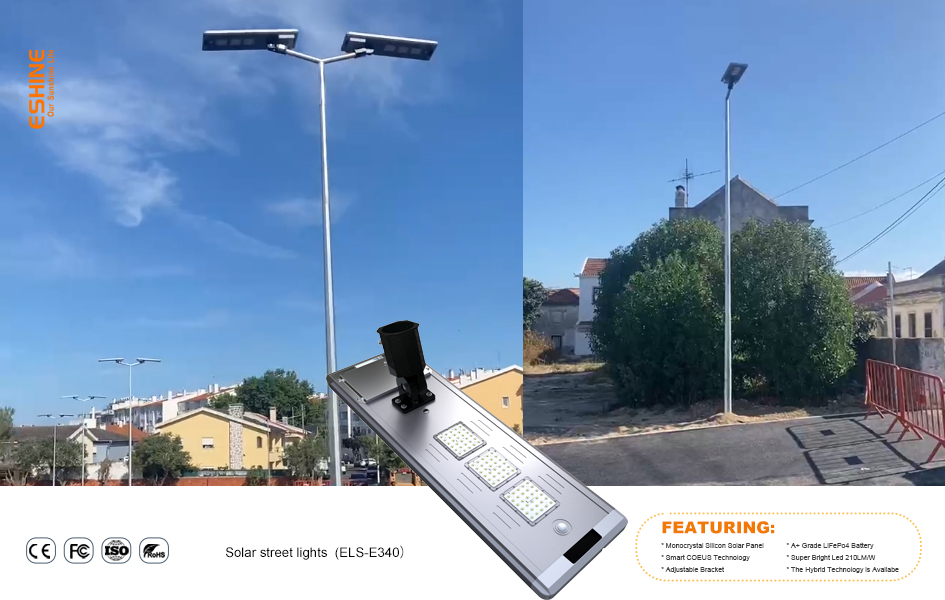
A solar street light integrated system primarily consists of solar panels, batteries, a controller, a light source, and a pole. Its operation relies on solar energy collection, conversion, and storage. During the day, the solar panels convert sunlight into electricity through the photovoltaic effect. When photons from sunlight strike the semiconductor material in the panels, they excite electrons, generating an electric current.
The generated electricity is then transmitted to the battery via the controller. The controller plays a crucial role in preventing overcharging and over-discharging, thereby extending the battery’s lifespan. For instance, when the battery reaches full capacity, the controller stops charging automatically. Conversely, if the battery level is too low, the controller limits the light’s power output to avoid excessive discharge.
At night, the controller activates the solar street light integrated system based on ambient light levels. The stored energy powers the light source—commonly LED due to its high efficiency and long lifespan—illuminating roads and pathways.
Advantages of Solar Street Light Integrated Technology
Energy efficiency is one of the biggest strengths of solar street light integrated systems. They rely entirely on renewable solar energy, eliminating dependence on conventional electricity grids. For example, a typical village using traditional streetlights might incur monthly electricity costs of thousands of dollars, whereas solar street light integrated solutions reduce this expense to nearly zero.
Environmental friendliness is another key benefit. Solar street light integrated systems produce no CO₂, SO₂, or other pollutants, making them a sustainable alternative that combats climate change.
Easy installation is a major advantage. Unlike traditional streetlights requiring complex wiring, solar street light integrated units only need a properly positioned pole and connected components. This reduces both installation time and costs—ideal for remote mountainous areas or new residential zones where laying cables is impractical.
Additionally, solar street light integrated systems have low maintenance costs. Solar panels last over 25 years, and LED lights can operate for 50,000+ hours. Routine checks ensure long-term reliability.
Applications of Solar Street Light Integrated Systems
Urban roads are a primary application. Solar street light integrated solutions illuminate main streets, side roads, and new urban developments, enhancing safety while promoting green city initiatives.
Rural areas benefit greatly, especially where grid coverage is unreliable. Solar street light integrated lighting improves nighttime mobility and security in villages and public squares.
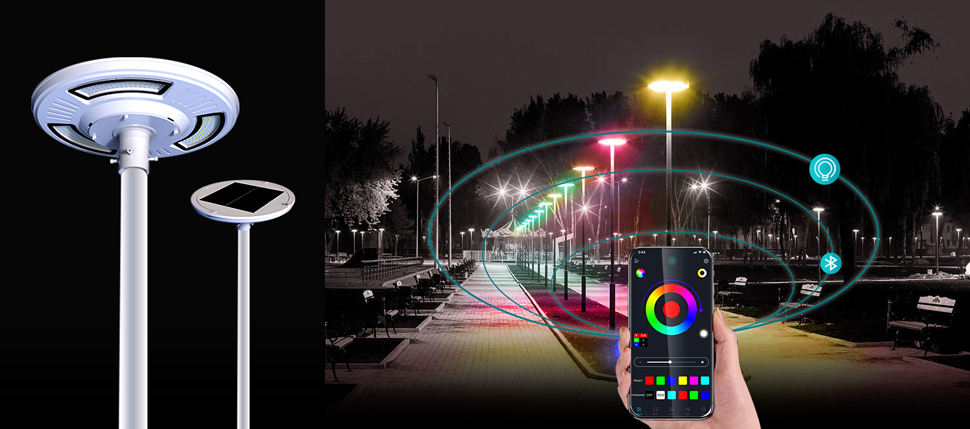
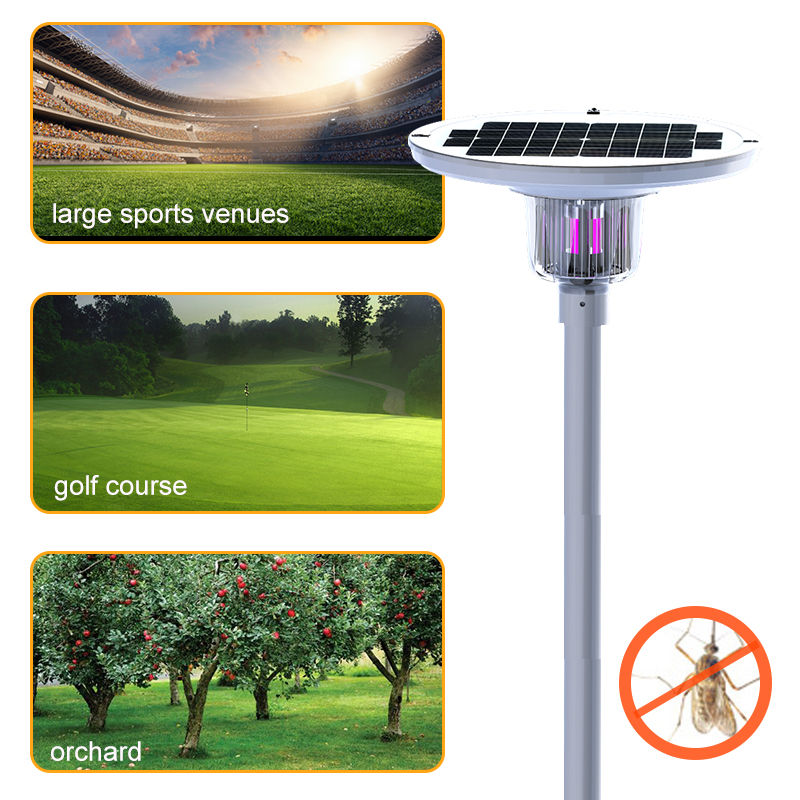
Parks and tourist sites also widely adopt solar street light integrated fixtures for their aesthetic and eco-friendly appeal, creating inviting atmospheres along trails and waterfronts.
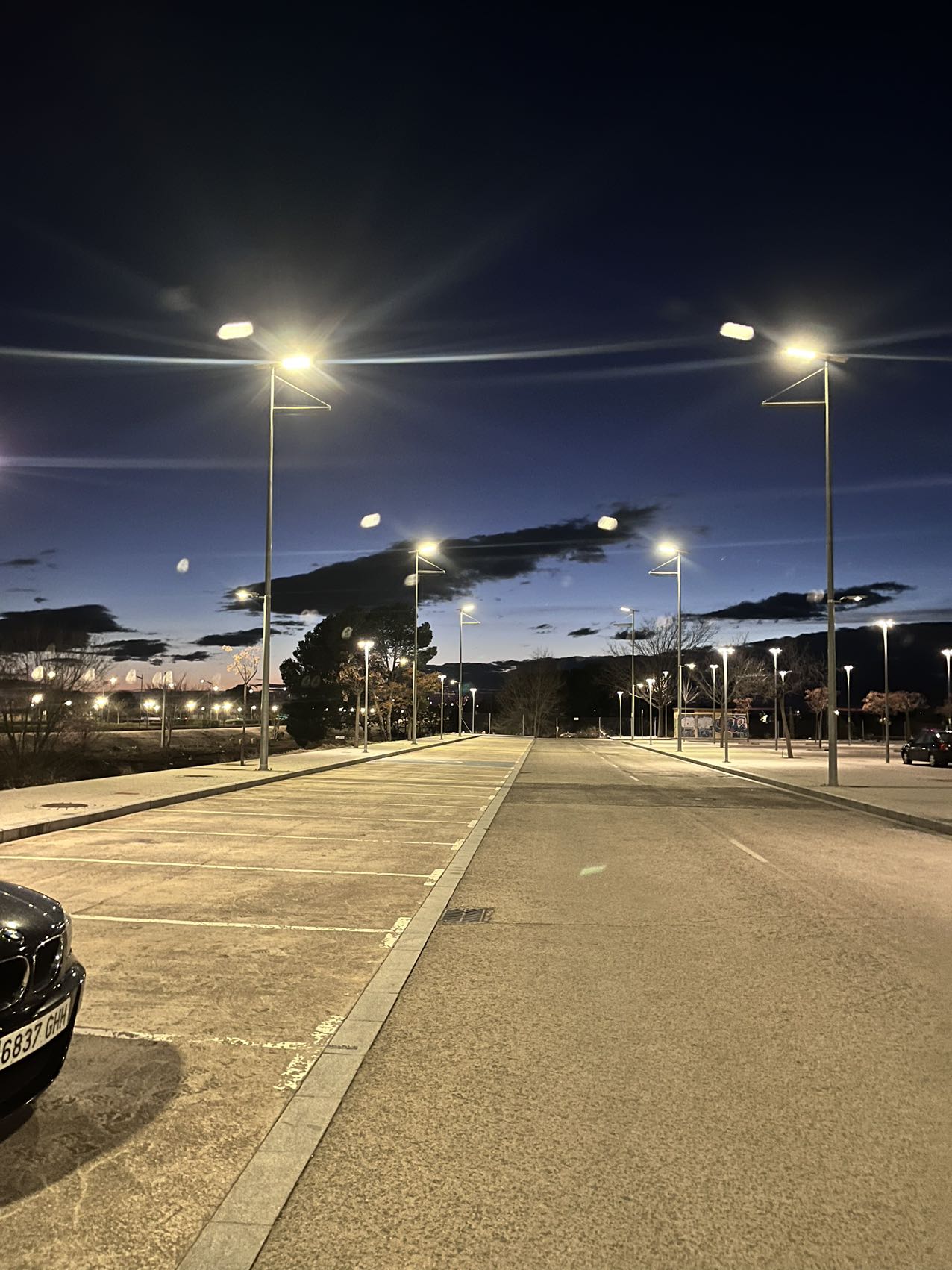
Temporary sites like construction zones or parking lots use solar street light integrated systems for their portability and quick setup.
Market Trends and Future of Solar Street Light Integrated Technology
Growing environmental awareness and demand for energy-saving products are driving rapid market expansion. Global solar street light integrated markets show double-digit growth annually, with China’s rural revitalization and urban green lighting projects further boosting adoption.
Technological advancements include higher-efficiency solar panels, improved batteries, and smart controls enabling IoT integration for remote monitoring and adaptive lighting.
However, challenges like market competition and high upfront costs persist. Some manufacturers compromise quality to cut expenses, affecting product reliability.
Choosing the Right Solar Street Light Integrated System
Consider lighting needs (e.g., brighter lights for main roads, softer ones for parks). Opt for high-quality solar panels—monocrystalline for efficiency, polycrystalline for budget-friendliness. Select durable batteries (lithium for longevity, lead-acid for affordability). Finally, prioritize reputable brands with strong warranties and after-sales service.
By embracing solar street light integrated solutions, we step toward a greener, smarter future—one illuminated by the power of the sun.
Solar Street Light
Related Article